Shilajit vs Sea Moss: A Deep Dive into Nature's Powerhouses
In the ever-expanding world of natural wellness, two potent allies often emerge: Shilajit and Sea Moss. Both have garnered significant attention for their impressive nutrient profiles and potential health-promoting properties. But when it comes to shilajit vs sea moss, understanding their distinct origins, compositions, and benefits is crucial for making an informed choice for your well-being. Are you seeking enhanced energy, cognitive support, or a broader spectrum of minerals? This comprehensive comparison will illuminate the unique strengths of each, helping you navigate the landscape of natural supplements and discover which might best align with your personal health goals.
While both are derived from natural sources and are rich in minerals, their differences are profound, stemming from their very origins. Shilajit, a tar-like substance, emerges from ancient geological formations high in the Himalayas, while sea moss, a type of algae, thrives in the ocean's depths. This fundamental difference in source leads to distinct biochemical profiles and, consequently, unique sets of advantages. Let's embark on a detailed exploration of shilajit vs sea moss to uncover their secrets.
Understanding Shilajit: The Himalayan Elixir
Shilajit, often referred to as "the destroyer of weakness" in Sanskrit, is a sticky, tar-like substance that develops over centuries from the decomposition of plant matter and microbial activity in mountainous regions. The most prized Shilajit is sourced from the pristine, high-altitude regions of the Himalayas, typically above 16,000 feet. This environment is crucial as it protects the developing resin from pollution and ensures a pure, potent product.
What Makes Shilajit Unique?
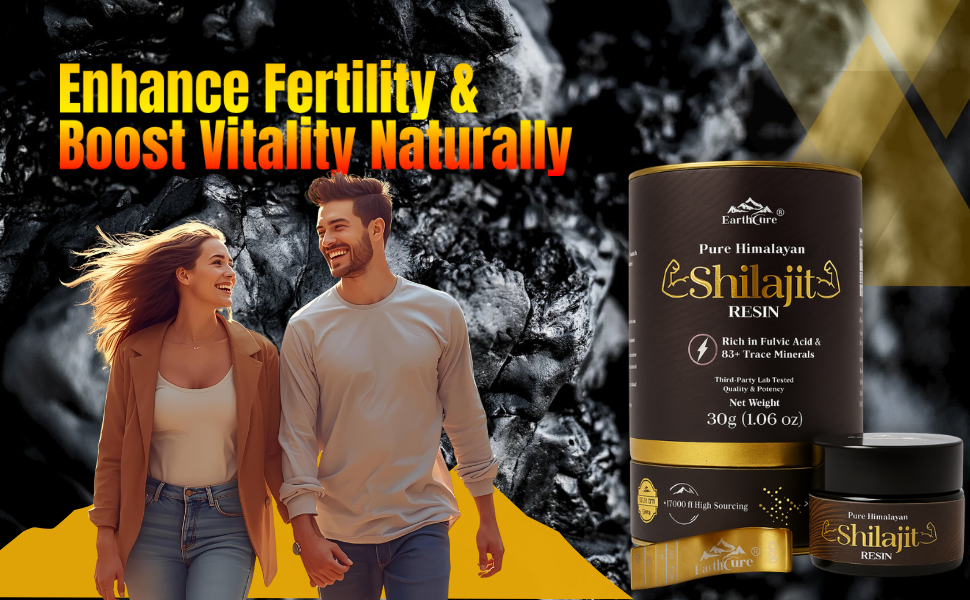
Shilajit's primary active compounds are fulvic acid and humic acid. Fulvic acid, in particular, is a cornerstone of Shilajit's efficacy. It acts as a powerful antioxidant and plays a vital role in nutrient absorption, helping to transport minerals and other beneficial compounds into the body's cells more effectively. EARTHCURE™ Pure Himalayan Shilajit Resin boasts an impressive 82% fulvic acid content, representing the Gold Grade – the highest quality available. This concentration is what differentiates premium Shilajit from lower-grade alternatives.
Beyond fulvic acid, Shilajit is a rich source of over 80 different minerals and trace elements, including iron, magnesium, potassium, zinc, and selenium, all in a highly bioavailable form. Its formation process imbues it with unique organic compounds and electrolytes essential for cellular function.
Key Benefits Associated with Shilajit:
- Energy and Stamina: Shilajit is traditionally used to combat fatigue and boost energy levels. Research suggests it may enhance mitochondrial function, the powerhouses of our cells, leading to improved energy production.
- Cognitive Function: Studies indicate that Shilajit's fulvic acid content can support brain health by acting as an antioxidant and potentially improving memory and focus.
- Mineral Replenishment: Its rich mineral profile can help address deficiencies and support overall bodily functions, particularly those related to bone health and immune response.
- Antioxidant Properties: The high concentration of fulvic acid contributes to Shilajit's potent antioxidant capabilities, helping to combat oxidative stress and cellular damage.
- Iron Absorption: For individuals with low iron levels, Shilajit has shown promise in improving iron status due to its mineral content and the enhancing effects of fulvic acid on absorption.
Understanding Sea Moss: The Ocean's Bounty
Sea moss, also known as Irish moss or Chondrus crispus, is a type of red algae that grows along the rocky Atlantic coasts of Europe and North America, as well as in warmer waters. It has been a dietary staple in some cultures for centuries, particularly in the Caribbean and Ireland.
What Makes Sea Moss Unique?
Sea moss is renowned for its incredibly diverse mineral content. It is often touted as containing "102 minerals" the body needs, though the exact number can vary depending with its growing conditions and processing. Its primary components include vitamins (like Vitamin C and B vitamins), minerals (iodine, potassium, calcium, magnesium, iron, zinc), and dietary fiber. It's also a good source of antioxidants.
Sea moss is particularly notable for its high iodine content, which is essential for thyroid function. It also contains carrageenan, a polysaccharide that gives sea moss its gelatinous texture when soaked and is responsible for some of its unique properties.
Key Benefits Associated with Sea Moss:
- Thyroid Support: The rich iodine content in sea moss is crucial for the production of thyroid hormones, which regulate metabolism.
- Digestive Health: Sea moss is a good source of fiber, which can aid digestion, promote regularity, and support a healthy gut microbiome.
- Immune System Boost: Its vitamin and antioxidant content can help bolster the immune system's ability to fight off infections.
- Skin Health: When applied topically or consumed, sea moss is believed to contribute to healthier, more radiant skin due to its mineral and antioxidant properties.
- Nutrient Density: It provides a broad spectrum of essential vitamins and minerals, making it a valuable addition to a balanced diet.
Shilajit vs Sea Moss: A Comparative Analysis
While both Shilajit and Sea Moss offer a wealth of nutrients, their differences are significant and dictate their primary applications in wellness. Let's break down shilajit vs sea moss across several key parameters.
Origin and Composition
- Shilajit: Originates from high-altitude Himalayan mountains. Its primary active compounds are fulvic acid and humic acid, alongside over 80 trace minerals. It is a mineral resin.
- Sea Moss: Originates from ocean waters. Its primary components are vitamins, minerals (especially iodine), fiber, and polysaccharides like carrageenan. It is a type of algae.
Primary Active Compounds
- Shilajit: Fulvic acid (e.g., EARTHCURE's 82% fulvic acid), humic acid, dibenzo-α-pyrones.
- Sea Moss: Iodine, potassium chloride, vitamins, antioxidants, carrageenan.
Key Benefits Focus
- Shilajit: Energy, stamina, cognitive function, cellular energy, nutrient absorption, antioxidant support.
- Sea Moss: Thyroid health, digestion, immune support, skin health, broad mineral intake.
Bioavailability
- Shilajit: Fulvic acid is known to significantly enhance the bioavailability of minerals, meaning the body can absorb and utilize them more effectively.
- Sea Moss: While rich in minerals, the bioavailability might not be as significantly enhanced by a specific compound as with Shilajit's fulvic acid.
Form and Usage
- Shilajit: Typically comes as a resin or powder. Resin is dissolved in warm water or milk. Powder can be added to beverages.
- Sea Moss: Often sold as dried moss, gel, or capsules. Gel can be added to smoothies, drinks, or used in cooking.
Potential Considerations
- Shilajit: Purity is paramount due to potential contaminants. Choosing USA lab tested products like EARTHCURE™ ensures safety. Should be consumed in moderation.
- Sea Moss: High iodine content might be a concern for individuals with certain thyroid conditions. Sourcing from clean waters is important.
Comparison Table: Shilajit vs Sea Moss
| Feature | EARTHCURE™ Pure Himalayan Shilajit Resin | Sea Moss |
|---|---|---|
| Origin | Himalayas (16,000+ ft altitude) | Atlantic & Pacific Oceans |
| Type | Mineral Resin | Algae (Red Seaweed) |
| Key Compounds | Fulvic Acid (82%), Humic Acid, 80+ Minerals | Iodine, Potassium, Vitamins, Fiber, Carrageenan |
| Primary Benefits | Energy, Stamina, Cognitive Support, Nutrient Absorption, Antioxidants | Thyroid Health, Digestion, Immune Support, Skin Health |
| Bioavailability | Enhanced by Fulvic Acid | Good, but less specific enhancement factor |
| Purity Standard | USA Third-Party Lab Tested | Varies by source, clean water is crucial |
| Form | Resin, Powder | Dried Moss, Gel, Capsules |
| Taste/Texture | Earthy, slightly bitter (resin) | Mildly oceanic, gelatinous when prepared |
Which to Choose: Shilajit or Sea Moss?
The choice between Shilajit and Sea Moss largely depends on your individual health goals and needs. There isn't a universally