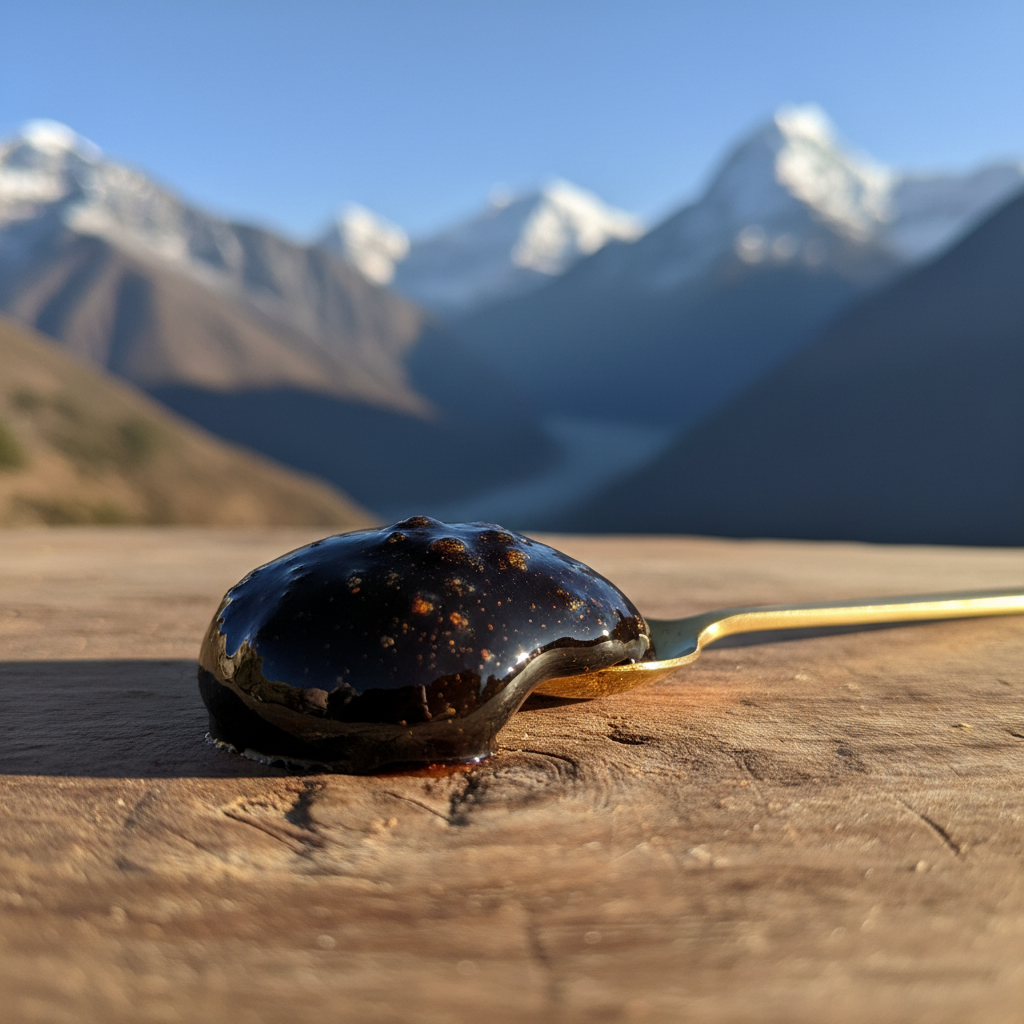
Shilajit, a potent natural substance revered for centuries, offers a wealth of potential health benefits. However, a crucial aspect often discussed is the presence of shilajit heavy metals. Ensuring the safety and purity of your shilajit supplement is paramount to experiencing its advantages without undue risk. This comprehensive guide will delve into the world of shilajit heavy metals, exploring potential contamination sources, the importance of rigorous testing, and how to confidently select a high-quality product. We'll empower you with the knowledge to navigate the market and make an informed decision about this ancient superfood.
Understanding Shilajit and Potential Contaminants
Shilajit, often described as "rock sweat" or "mountain blood," is a sticky, tar-like substance formed over centuries by the decomposition of plant matter and minerals in high-altitude mountain ranges, particularly the Himalayas. Its unique composition includes fulvic acid, humic acid, and a remarkable array of trace minerals.
While shilajit's natural formation process imbues it with beneficial compounds, its origin also presents a potential vulnerability: contamination. The earth from which shilajit is harvested can contain various elements, including heavy metals. These can be naturally occurring or introduced through environmental pollution.
Common Heavy Metals of Concern
When discussing shilajit, several heavy metals are typically monitored for safety:
- Lead (Pb): A toxic metal that can accumulate in the body, affecting the nervous system, kidneys, and reproductive system.
- Arsenic (As): A metalloid that can be highly toxic, even in small amounts, and is linked to various cancers and other health issues.
- Mercury (Hg): A neurotoxin that can damage the brain, kidneys, and developing fetus.
- Cadmium (Cd): A metal that can accumulate in the kidneys and liver, causing damage and potentially contributing to bone disease.
- Aluminum (Al): While less acutely toxic than others, chronic exposure can be a concern for some individuals.
It's important to note that trace amounts of many minerals, including some metals, are essential for human health. The concern arises from excessive levels, particularly of toxic heavy metals.
Sources of Shilajit Contamination
Several factors can contribute to shilajit contamination:
- Geographical Location: The specific geological strata from which shilajit is collected plays a significant role. Areas with naturally higher concentrations of heavy metals in the soil or rock will yield shilajit with higher levels of these elements.
- Environmental Pollution: Proximity to industrial sites, mining operations, agricultural runoff (pesticides and fertilizers), and even heavy traffic can introduce pollutants into the soil and rock formations where shilajit forms.
- Improper Harvesting and Processing: Inadequate purification methods during harvesting and processing can fail to remove naturally occurring or environmentally introduced contaminants. This is a critical stage where quality control is essential.
- Adulteration: Unfortunately, some unscrupulous sellers may intentionally adulterate shilajit with cheaper fillers or substances to increase volume or alter its appearance, which can introduce unknown contaminants.
Why is Shilajit Heavy Metals Testing Crucial?
Given the potential for contamination, rigorous testing for shilajit heavy metals is not just recommended; it's essential for consumer safety. Relying solely on the natural origin of shilajit without verification can be risky. Here's why testing is paramount:
Ensuring Consumer Safety
The primary reason for testing is to protect your health. Consuming shilajit with elevated levels of toxic heavy metals can lead to serious, long-term health consequences. Independent laboratory testing provides an objective assessment of the product's purity and safety profile.
Verifying Product Quality and Potency
Beyond safety, testing can also help verify the quality and potency of the shilajit. High-quality shilajit should have a significant concentration of active compounds like fulvic acid. Testing can confirm that you are getting a genuine product with the advertised levels of beneficial components, such as the impressive 82% fulvic acid content found in EARTHCURE™ Pure Himalayan Shilajit Resin.
Building Consumer Trust
Reputable brands invest in third-party laboratory testing to demonstrate their commitment to quality and safety. This transparency builds trust with consumers, assuring them that the product they are purchasing has been thoroughly vetted.
Regulatory Compliance
In many regions, there are regulations regarding the maximum allowable levels of heavy metals in food supplements and natural health products. Testing ensures that products comply with these standards, protecting both consumers and the brand's reputation.
How to Choose Safe Shilajit: A Practical Guide
Navigating the shilajit market can be challenging, with many products claiming purity and potency. Here’s a practical guide to help you choose a safe and high-quality shilajit product:
1. Prioritize Third-Party Lab Testing
This is the single most important factor. Look for brands that explicitly state their products are USA lab tested or tested by a reputable independent laboratory. This testing should specifically screen for heavy metals and other contaminants.
- Check for Certificates of Analysis (CoA): Some brands will provide a Certificate of Analysis for their products, detailing the test results. While not always readily available on product pages, it’s a strong indicator of transparency.
- Look for Reputable Lab Certifications: If a brand mentions lab testing, look for details about the lab itself. Is it a certified, independent facility?
2. Research the Brand's Sourcing and Processing Methods
Understanding where and how the shilajit is sourced and processed can offer insights into its potential purity.
- High-Altitude Sourcing: Shilajit sourced from extremely high altitudes (e.g., 16,000+ feet in the Himalayas) is generally considered purer, as these remote regions are less likely to be affected by industrial pollution.
- Purification Techniques: Reputable brands employ multi-stage purification processes, often involving natural methods like filtration through UV-treated water and sun-drying, to remove impurities without compromising the beneficial compounds.
3. Examine Product Reviews and Reputation
While reviews aren't a substitute for lab testing, they can offer valuable insights into consumer experiences and brand reputation.
- Look for Consistent Feedback: Pay attention to reviews that mention product quality, effectiveness, and customer service.
- Be Wary of Overly Inflated Claims: While shilajit has many benefits, extremely outlandish claims might indicate a less reputable seller.
4. Understand Shilajit Forms and Their Implications
Shilajit is available in several forms:
- Raw/Crude Shilajit: This is the least processed form and carries the highest risk of containing impurities and contaminants. It requires significant purification by the end-user.
- Purified Resin: This is the most common and recommended form. It has undergone a purification process to remove impurities. High-quality resin, like EARTHCURE™ Pure Himalayan Shilajit Resin, is often characterized by its viscous, tar-like consistency and dark, glossy appearance.
- Powdered Shilajit: This form is often resin that has been dehydrated and ground. While convenient, the dehydration process can sometimes affect the quality, and it's crucial to ensure it's derived from purified resin.
- Capsules/Tablets: These usually contain powdered shilajit. The quality depends entirely on the purity of the shilajit powder used. It's harder to ascertain the quality from capsules alone.
For maximum assurance regarding shilajit heavy metals, opt for purified resin from a brand that provides transparent testing information.
5. Check for Specific Purity Claims
Look for brands that are transparent about their product's purity. For example, EARTHCURE™ emphasizes its 82% fulvic acid content, a key indicator of quality, and its USA lab tested status for purity and safety.
The EARTHCURE™ Promise: Purity You Can Trust
At EarthCure, we understand the importance of purity and safety when it comes to natural supplements. Our commitment is reflected in every jar of EARTHCURE™ Pure Himalayan Shilajit Resin.
- Premium Sourcing: Our shilajit is sourced from pristine Himalayan regions at altitudes exceeding 16,000 feet, minimizing the risk of environmental contamination.
- Rigorous Purification: We employ meticulous purification processes to ensure a clean and potent product.
- Highest Fulvic Acid Content: EARTHCURE™ boasts an exceptional 82% fulvic acid content, classifying it as Gold Grade – the highest quality available. This ensures you receive the maximum benefits.
- Uncompromising Safety: Crucially, our shilajit undergoes stringent USA Third-Party Lab Testing. This guarantees that our product is free from harmful heavy metals and other contaminants, giving you complete peace of mind.
- Value and Quality: Our 30g jar is priced at $39.99, offering premium quality and purity at an accessible price point.
We believe that experiencing the benefits of shilajit should never come at the expense of your health.
Frequently Asked Questions (FAQ)
Here are some common questions regarding shilajit and heavy metals:
Q1: Is all shilajit unsafe due to potential heavy metals?
No, not all shilajit is unsafe. Many shilajit products, especially those sourced from remote, high-altitude regions and subjected to rigorous purification and testing, are perfectly safe and beneficial. The key is to choose a reputable brand that prioritizes safety and transparency through independent lab testing.
Q2: How can I tell if shilajit is contaminated with heavy metals?
The most reliable way to know is by checking for third-party lab test results provided by the brand. Visual inspection or taste alone cannot definitively determine heavy metal contamination. Look for brands that openly share their testing data, specifically mentioning heavy metal screening.
Q3: What are the risks of consuming shilajit with heavy metals?
Consuming shilajit contaminated with high levels of toxic heavy metals like lead, arsenic, mercury, or cadmium can lead to various health problems over time. These can include neurological issues, kidney damage, developmental problems, and an increased risk of certain cancers. This is why ensuring your shilajit is shilajit heavy metals free is vital.
Q4: How often should I test my shilajit?
As a consumer, you typically rely on the brand to perform the testing before the product reaches you. Reputable brands will test each batch or regularly test their supply. You should look for brands that provide evidence of this testing for the product you are purchasing, rather than needing to test it yourself after purchase.
Q5: Is purified shilajit resin safer than raw shilajit?
Yes, purified shilajit resin is generally much safer than raw or crude shilajit. The purification process is designed to remove impurities, including heavy metals and other contaminants, while concentrating the beneficial compounds like fulvic acid. Always choose purified resin from a trusted source.
Conclusion: Prioritize Purity for Optimal Well-being
Shilajit is a remarkable natural substance with a long history of traditional use and growing scientific interest. However, the concern surrounding shilajit heavy metals is valid and requires careful consideration. By understanding the potential sources of contamination and prioritizing brands that demonstrate a strong commitment to safety through rigorous, independent USA lab tested protocols, you can confidently incorporate shilajit into your wellness routine.
Choosing a product like EARTHCURE™ Pure Himalayan Shilajit Resin, with its exceptional 82% fulvic acid content, pristine sourcing from over 16,000 feet, and unwavering dedication to safety through third-party testing, ensures you receive the pure, potent benefits of this ancient superfood without compromise.
Invest in your health by choosing purity. You can find EARTHCURE™ Pure Himalayan Shilajit Resin on Amazon: https://www.amazon.com/dp/B0FKHGJHFB
Disclaimer: The information provided in this article is for informational purposes only and does not constitute medical advice. The statements made regarding certain products have not been evaluated by the Food and Drug Administration. These products are not intended to diagnose, treat, cure, or prevent any disease. Consult with a qualified healthcare professional before making any decisions about your health or starting any new supplement regimen.