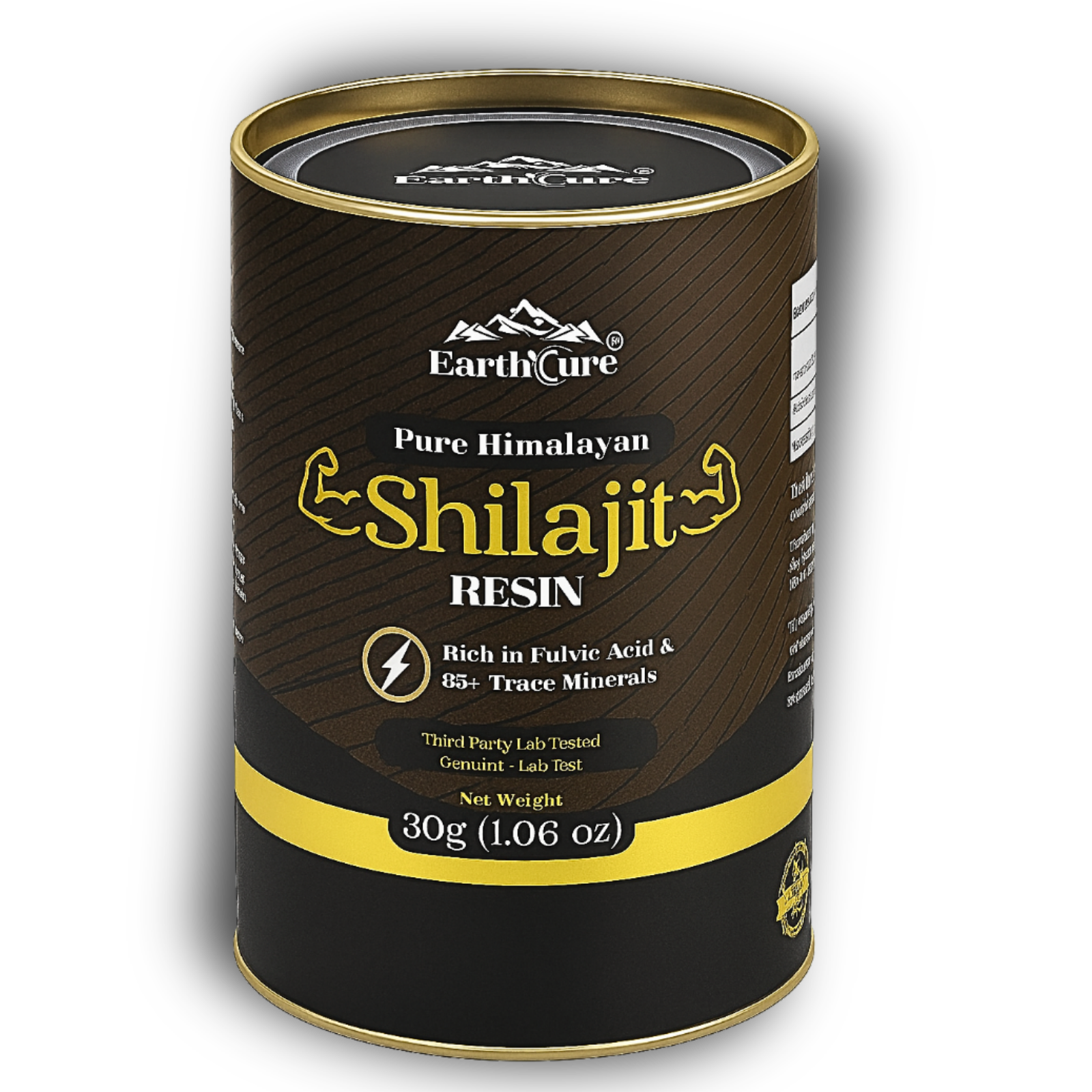
If you've been searching for a natural way to support steady energy, healthy aging, and that lit-from-within glow, shilajit for women is worth understanding properly — beyond the hype. This sticky, mineral-rich resin from high in the Himalayas has been used in traditional Ayurvedic practice for centuries, and modern interest has grown around its trace minerals, antioxidant compounds, and a unique component called fulvic acid.
Here's the honest framing this article sticks to: shilajit is a dietary supplement, not a medicine. It won't fix a poor diet, replace sleep, or "cure" anything. But for many women juggling demanding days, hormonal shifts across life stages, and the slow tug of oxidative stress on skin and hair, it can be a thoughtful, mineral-dense addition to an already healthy routine.
This guide walks through how women specifically tend to use shilajit — for energy, for beauty and graceful aging, and for everyday mineral replenishment — along with sensible dosing and the cautions that genuinely matter (especially around pregnancy, breastfeeding, and iron-overload conditions).
What Shilajit Actually Is
Shilajit is a blackish-brown resin that seeps from rock layers in mountain ranges like the Himalayas, formed over a very long time from compressed plant and microbial matter. Real, purified resin is concentrated and earthy — not a flavored powder or a filler-packed capsule.
Its appeal for women's wellness comes down to a few characteristics:
- Fulvic acid — a small organic molecule thought to help shuttle minerals and antioxidants into cells and act as an antioxidant itself.
- Trace minerals — including iron, zinc, magnesium, copper, and selenium in naturally occurring (not megadose) amounts.
- Humic substances and dibenzo-α-pyrones — plant-derived compounds studied for their antioxidant behavior.
Researchers like Stohs (2014, Phytotherapy Research) have reviewed shilajit's safety and antioxidant-related properties, while Carrasco-Gallardo et al. (2012, International Journal of Alzheimer's Disease) explored fulvic acid's antioxidant mechanisms. These are mechanistic and exploratory discussions — not proof that shilajit treats any condition — and that distinction matters.
Shilajit and Natural Energy for Women
Why women's energy is its own conversation
Energy isn't just about willpower or coffee. For many women, menstruation creates a monthly demand on iron stores, and low iron is one of the most common nutritional gaps worldwide. When iron is low, oxygen delivery suffers — and so does day-to-day stamina. This is exactly why an iron-rich, mineral-dense food source draws interest.
Shilajit naturally contains iron and other trace minerals, and its fulvic acid is often discussed as a way to improve how well those minerals are absorbed. The goal isn't a jolt; it's replenishment — supporting the raw materials your body uses to make energy.
Cellular energy, explained simply
Inside your cells, tiny structures called mitochondria turn nutrients and oxygen into usable energy (ATP). Trace minerals and antioxidant compounds play supporting roles in keeping that machinery running smoothly. Shilajit is traditionally used to support vitality, and ongoing research interest centers on how its components may support mitochondrial function and reduce oxidative wear — though this is an area still being studied rather than settled science.
Energy without the caffeine rollercoaster
Many women reach for shilajit specifically because it doesn't behave like caffeine.
| Caffeine | Shilajit (resin) | |
|---|---|---|
| Onset | Fast (20–45 min) | Gradual, supportive |
| Mechanism | Stimulates the nervous system | Provides minerals + antioxidant compounds |
| The "crash" | Common as it wears off | Not stimulant-based, so no crash pattern |
| Afternoon jitters | Possible | Not associated with stimulant jitters |
| Best role | Quick alertness | Foundational, daily mineral support |
To be clear: shilajit is not a stimulant and shouldn't be expected to feel like one. If you want a deeper comparison, our piece on shilajit versus caffeine for energy breaks down how the two differ.
Shilajit for Beauty and Healthy Aging
This is where careful language matters most, so let's be precise. Shilajit is not a wrinkle treatment, a collagen drug, or a substitute for sunscreen and good skincare. What it can offer is antioxidant support and trace minerals that the body uses in normal skin, hair, and nail processes.
The antioxidant angle
A major driver of visible aging is oxidative stress — damage from unstable molecules called free radicals, accelerated by sun, pollution, and stress. Shilajit anti-aging interest centers on its antioxidant compounds (fulvic acid and dibenzo-α-pyrones), which laboratory research has examined for their ability to help neutralize free radicals. Supporting your body's antioxidant defenses is a reasonable, foundational part of any healthy-aging approach.
Minerals your skin and hair rely on
Several trace minerals naturally present in shilajit are involved in normal structural and repair processes:
- ✅ Zinc — used in normal skin maintenance and wound healing
- ✅ Copper — a cofactor in the body's own collagen-related enzymes
- ✅ Selenium — contributes to antioxidant defense
- ✅ Iron — supports oxygen delivery, which underpins healthy circulation and a natural glow
Note the framing: these minerals support normal processes your body already performs. Shilajit doesn't "build collagen" on its own — your body does, and adequate nutrients help it do that job. For the broader picture, see our overview of shilajit and longevity-focused aging.
What "shilajit beauty" realistically looks like
The honest version of shilajit beauty is unglamorous but real: consistent mineral and antioxidant support, layered on top of hydration, sleep, sun protection, and a nutrient-dense diet. Many users report feeling that their skin looks healthier and their hair feels stronger over weeks of consistent use — but individual results vary, and supplements work best as one piece of a bigger picture, not a magic bullet.
Stress, Mood, and the Adaptogen Idea
Women's wellness rarely happens in a vacuum — chronic stress quietly drains energy, disrupts sleep, and shows up on your skin. Shilajit is often described as having adaptogenic qualities, meaning it's traditionally used to help the body cope with everyday stress and maintain balance.
It's a gentle, supportive framing rather than a treatment claim. If stress and fatigue are dominating your days, shilajit may be a small ally, but it works alongside — never instead of — rest, movement, and professional support when you need it.
Shilajit Across Women's Life Stages
Different seasons of life bring different demands. Here's how women commonly think about fitting shilajit in (always as general wellness support, never as treatment for any condition).
Menstruating years
The monthly cycle makes iron and mineral replenishment a recurring theme. Many women simply maintain steady daily use for shilajit energy women support, leaning on its trace minerals rather than expecting a quick fix.
Perimenopause and beyond
As hormones shift, women often prioritize mineral density (including support for bone-relevant minerals from the whole diet), antioxidant support, and steady energy. Shilajit's adaptogenic reputation and broad mineral profile make it a popular choice in this stage — as a complement to, not a replacement for, medical guidance from your provider.
For a women-focused deep dive, our companion article on shilajit and women's wellness expands on these life stages.
Sensible Dosing for Women
Less is genuinely more with shilajit. It's concentrated, and the aim is consistent, modest replenishment.
| Stage | Typical resin amount | Notes |
|---|---|---|
| Starting out (week 1–2) | A rice-grain-sized portion (~150–250 mg) | Let your body adjust |
| Daily routine | Pea-sized portion (~300–500 mg) | Most common range |
| Timing | Morning, with warm (not boiling) water | Some prefer it before activity |
Practical tips:
- ✅ Start low and stay there for a couple of weeks before adjusting.
- ✅ Dissolve resin in warm water, milk, or tea — it should fully disperse.
- ✅ Be consistent; benefits tied to mineral and antioxidant support build gradually.
- ✅ Pair with food if you have a sensitive stomach.
- ⚠️ Don't over-do it — more is not better with a mineral-rich concentrate.
Our complete how-to-use shilajit guide covers measuring, dissolving, and building a routine in more detail.
Important Cautions Every Woman Should Read
This section is non-negotiable. Shilajit is generally well tolerated by healthy adults when it's pure and used sensibly, but a few situations call for real caution.
- Pregnancy: Avoid shilajit during pregnancy. Its safety in pregnancy hasn't been established, so it's simply not worth the risk.
- Breastfeeding: Avoid while nursing for the same reason — safety data is lacking.
- Iron-overload conditions: Because shilajit contains iron, anyone with hemochromatosis, thalassemia, or another condition involving iron accumulation should avoid it unless a doctor explicitly approves.
- Medications and conditions: If you take any medication (including iron supplements) or have a health condition, talk to your healthcare provider first.
- Purity is everything: Raw, unpurified shilajit can carry heavy metals or contaminants. Only use a product that is purified and third-party lab tested with a Certificate of Analysis (COA).
That last point is the single biggest safety factor within your control — and it leads directly into why sourcing matters.
Why EARTHCURE™ for Women's Wellness
If you're going to add a mineral-rich resin to your daily routine, quality and transparency should come first. Here's how EARTHCURE™ Pure Himalayan Shilajit Resin is made with that standard in mind:
- Gold Grade purity with 82% fulvic acid — concentrated for genuine antioxidant and trace-mineral support.
- USA third-party lab tested with a COA — including non-detect results for heavy metals, which is exactly the safety bar this article keeps pointing to.
- Single-origin, high-altitude Himalayan resin — pure resin only, with no powders, capsules, or fillers.
- Honest, simple packaging — a 30g amber-glass jar (around $39.99) that protects the resin from light.
Made by AUH Partners LLC, EARTHCURE™ is built around the idea that women deserve a clean, tested, no-nonsense product. You can learn more on the EARTHCURE™ product page or pick it up on Amazon.
Frequently Asked Questions
Q: Is shilajit good for women, or is it just for men?
A: Shilajit is suitable for women as a general wellness supplement, not just men. Women often appreciate its iron and trace minerals for energy support and its antioxidant compounds for healthy-aging routines. As always, it supports a healthy lifestyle rather than replacing one, and it's not a treatment for any condition.
Q: Can shilajit really help with energy and tiredness?
A: Shilajit is traditionally used to support vitality, and its naturally occurring iron and trace minerals are involved in normal energy production. Many users report feeling steadier energy with consistent use. It isn't a stimulant, so it won't deliver a caffeine-style jolt — and persistent fatigue always deserves a conversation with your doctor.
Q: Will shilajit improve my skin and hair?
A: Shilajit provides antioxidant compounds and minerals like zinc, copper, and selenium that your body uses in normal skin and hair processes. It may support your existing skincare and nutrition routine, but it isn't a treatment, and it can't replace sun protection or good habits. Results vary from person to person.
Q: Is shilajit safe during pregnancy or breastfeeding?
A: No — avoid shilajit if you are pregnant or breastfeeding. Its safety in these situations has not been established, so the responsible choice is to skip it entirely. Always consult your healthcare provider about supplements during pregnancy and nursing.
Q: How much shilajit should a woman take per day?
A: A common approach is to start with a rice-grain-sized portion (roughly 150–250 mg) and, if it suits you, move to a pea-sized amount (about 300–500 mg) daily. Take it in the morning dissolved in warm water, and stay consistent. More is not better, so resist the urge to increase quickly.
Q: Who should not take shilajit?
A: Avoid shilajit if you are pregnant, breastfeeding, or have an iron-overload condition such as hemochromatosis or thalassemia, since shilajit contains iron. Anyone on medication or managing a health condition should check with a healthcare professional first. When in doubt, ask your doctor.
Q: How do I know I'm buying a pure, safe shilajit?
A: Look for purified resin (not raw material), and insist on third-party lab testing with a Certificate of Analysis showing low or non-detect heavy metals. EARTHCURE™ is USA lab tested with a COA and reports non-detect heavy metals. You can read more about why testing matters in our guide on why lab-tested shilajit matters.
Key Takeaways
For women, shilajit is best understood as a mineral-rich, antioxidant-supporting addition to an already healthy life — not a quick fix and never a medicine. Its naturally occurring iron and trace minerals make it interesting for everyday energy and replenishment, while its antioxidant compounds fit naturally into a graceful-aging routine for skin and hair. The two rules that matter most: keep your dose modest and consistent, and choose a purified, lab-tested product.
If you'd like to start with a clean, transparently tested resin, explore the EARTHCURE™ Pure Himalayan Shilajit product page or order on Amazon. Then give it a few patient weeks — and pair it with the sleep, nutrition, and movement that make any supplement work better.
Medical Disclaimer: This article is for informational purposes only and is not medical advice. EARTHCURE™ shilajit is a dietary supplement and is not intended to diagnose, treat, cure, or prevent any disease. These statements have not been evaluated by the FDA. Consult a qualified healthcare professional before use, especially if you are pregnant, nursing, taking medication, or have a medical condition.